
ALR Screen vs CLR Screen
ALR screen vs CLR screen – When choosing a screen for an ultra short throw projector, one of the most common questions buyers ask is:
Should I choose an ALR screen or a CLR screen?
Both options are designed to improve image quality in bright environments, but they work differently and are suitable for different applications.
In this guide, we’ll compare ALR screen vs CLR screen in terms of brightness, contrast, viewing angle, and best use cases, helping distributors and end users choose the right solution.
What Is an ALR Screen?
An ALR screen (Ambient Light Rejecting screen) is designed to reflect light coming from the projector while rejecting ambient light from other directions.
This improves:
- contrast
- black levels
- color vividness
- daytime viewing performance
ALR screens are widely used for:
- home theaters
- living rooms
- bright meeting spaces
- UST projector setups
Popular types include:
- Fresnel ALR screen
- lenticular ALR screen
If you want to learn more, check our complete guide on What Is a Fresnel ALR Screen.
What Is a CLR Screen?
A CLR screen (Ceiling Light Rejecting screen) is a specialized screen mainly designed for UST projectors.
It is optimized to reject light coming from above, such as:
- ceiling lights
- chandeliers
- overhead office lighting
This makes it highly effective for laser TV and UST applications.
Compared to general ALR materials, CLR screens are more specifically tuned for overhead light control.
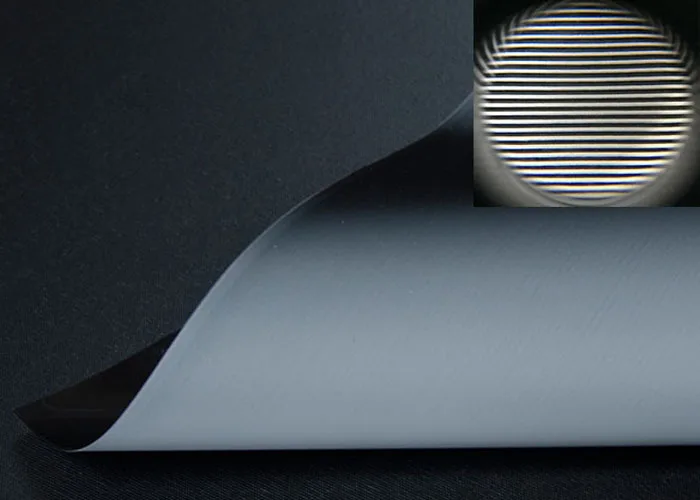
ALR Screen vs CLR Screen: Key Differences
Here is a quick comparison.
| Feature | ALR Screen | CLR Screen |
|---|---|---|
| Ambient light rejection | Excellent | Excellent |
| Ceiling light rejection | Very good | Excellent |
| UST projector compatibility | Excellent | Excellent |
| Viewing angle | Medium to wide | Medium |
| Bright room use | Excellent | Excellent |
| Best for | Multi-use spaces | UST / Laser TV |
Brightness and Contrast Comparison
Both ALR and CLR screens significantly improve image quality compared with standard white screens.
However, there are differences.
ALR Screen
Better for overall ambient light control from multiple directions.
This is ideal for rooms with:
- side windows
- wall lamps
- mixed lighting
CLR Screen
Best for strong overhead light rejection.
This is ideal for:
- living rooms with ceiling lights
- commercial meeting rooms
- laser TV display setups
Which One Is Better for UST Projectors?
For UST projectors, both options perform well.
The best choice depends on the room environment.
Choose ALR Screen if:
- the room has side windows
- multiple viewers need a wider angle
- you need premium contrast
Choose CLR Screen if:
- most light comes from above
- you use laser TV
- the screen is installed in a bright living room
Best Option for Distributors and Wholesale Buyers
For distributors, product selection should depend on market demand.
In many markets, Fresnel ALR screens are currently among the most popular products for UST projector customers.
They offer:
- premium contrast
- strong daylight performance
- high-end positioning
At Cynthia Screen, our popular solutions include:
- Fresnel ALR screen
- CLR UST screen
- floor rising ALR screen
These products are available for:
- OEM branding
- custom sizes
- wholesale orders
Recommended Product Applications
Home Theater
Recommended: Fresnel ALR screen
Laser TV / Living Room
Recommended: CLR screen
Commercial Meeting Rooms
Recommended: CLR or lenticular ALR
Conclusion
When comparing ALR screen vs CLR screen, there is no single answer for every setup.
Both are excellent choices for UST projectors.
The best option depends on:
- room lighting
- seating angle
- intended use
- budget
For premium image quality in bright rooms, both solutions offer significant advantages over standard white screens.
CTA
Looking for a reliable ALR and CLR screen manufacturer?
- OEM customization
- wholesale pricing
- fast sample support
- global shipping solutions