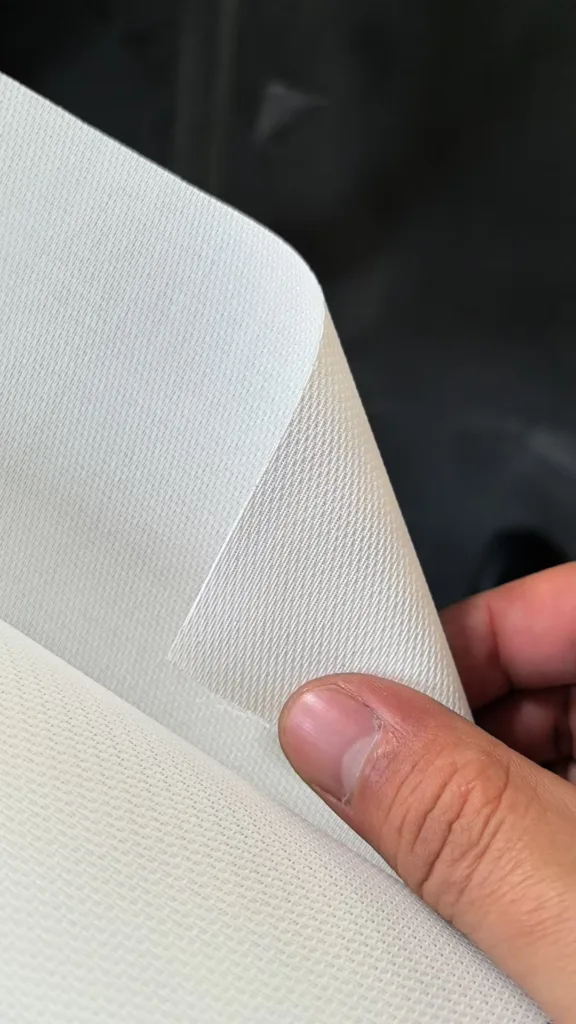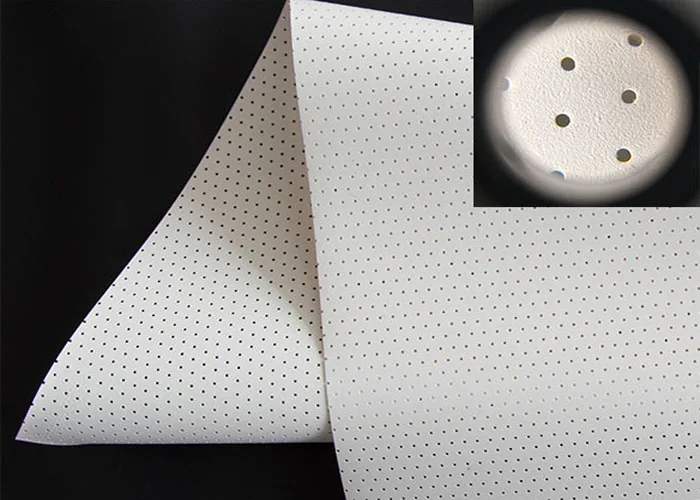
How to Build Your Own Projector Screen Brand with OEM projector screen Manufacturing (2026 Guide)

OEM projector screen Manufacturing

OEM projector screen manufacturing – As the global demand for home theater and UST projector solutions continues to grow, more distributors are looking beyond simple reselling and starting to build their own brands.

One of the most effective ways to do this is through OEM projector screen manufacturing.

In this guide, we’ll show you how to build your own projector screen brand step by step—from choosing a manufacturer to launching your products in the market.


What Is OEM Projector Screen Manufacturing?

OEM (Original Equipment Manufacturer) means that a factory produces products based on your branding requirements.

With OEM projector screen solutions, you can:

  • sell under your own brand name
  • customize product specifications
  • design your own packaging
  • create a unique market position

This allows you to transform from a reseller into a brand owner.


Why Build Your Own Projector Screen Brand?


1. Higher Profit Margins

Selling branded products allows you to:

  • set your own pricing
  • avoid price wars
  • increase overall profitability

2. Stronger Market Position

A brand helps you stand out in a competitive market.

Instead of selling generic products, you create a recognizable identity.


3. Long-Term Business Growth

Building a brand creates long-term value, including:

  • repeat customers
  • distributor networks
  • online presence

Step-by-Step Guide to Building Your Brand


Step 1: Choose the Right Product Focus

Start with high-demand products such as:

Focusing on trending products increases your success rate.


Step 2: Find a Reliable OEM Projector Screen Manufacturer

Choosing the right projector screen manufacturer is critical.

Look for:

  • OEM experience
  • stable quality
  • export history
  • flexible MOQ
  • strong communication

A reliable supplier will support your long-term growth.


Step 3: Define Your Brand Identity

Before launching, define:

  • brand name
  • logo design
  • target market
  • product positioning

For example:

  • premium home theater brand
  • cost-effective commercial solution
  • UST-focused brand

Step 4: Customize Your Products (OEM)

With OEM manufacturing, you can customize:

  • product logo
  • packaging box
  • user manuals
  • labels and barcodes
  • screen size and specifications

This creates a unique product that belongs to your brand.


Step 5: Order Samples and Test Quality

Always test samples before placing bulk orders.

Check:

  • screen flatness
  • material quality
  • ALR performance
  • packaging strength

This step is essential for avoiding future issues.


Step 6: Plan Your Pricing Strategy

Your pricing should consider:

  • product cost
  • shipping cost
  • target market
  • competitor pricing

OEM products allow higher margins compared to standard products.


Step 7: Launch Your Brand

You can sell through:

  • distributors
  • e-commerce platforms
  • Amazon
  • your own website
  • local retail channels

Make sure your branding is consistent across all channels.


Best Products to Start with in 2026

The most popular categories include:

  • 100 inch and 120 inch ALR screens
  • Fresnel UST projector screens
  • floor rising ALR screens

These products have strong demand and high perceived value.


Common Mistakes to Avoid

When building your brand, avoid:

  • choosing low-quality suppliers
  • ignoring product testing
  • offering too many models
  • competing only on price

Focus on quality and differentiation.


Why Work with a Professional OEM Manufacturer

A professional partner provides:

  • consistent product quality
  • efficient production
  • branding support
  • global logistics solutions

This is key to building a successful brand.


Why Choose Cynthia Screen

At Cynthia Screen, we specialize in OEM projector screen manufacturing for global distributors and brand owners.

We offer:

  • private label solutions
  • ALR and UST expertise
  • flexible MOQ
  • fast lead time
  • export-grade packaging
  • global shipping support

Our product range includes:

  • ALR projector screens
  • Fresnel screens
  • motorized screens
  • floor rising screens

Conclusion

Building your own projector screen brand with OEM manufacturing is one of the most effective ways to grow your business in 2026.

With the right strategy, products, and supplier, you can:

  • increase profit margins
  • create brand value
  • expand into new markets

Ready to build your own projector screen brand?

Contact us today for:

  • OEM solutions
  • product customization
  • wholesale pricing
  • fast sample support

info@cynthiacn.com

sales@cynthiascreen.com

Follow us : Facebook
Name

Best Slim Bezel Projector Screen for Home Theater (2026 Guide)

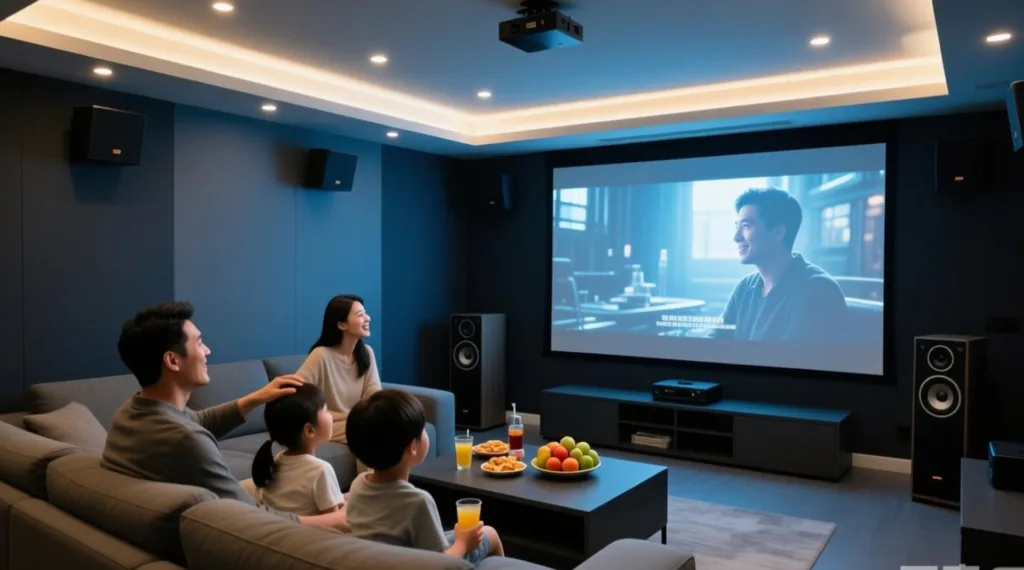
Choosing the best slim bezel projector screen for home theater can dramatically improve both your viewing experience and interior design.

Unlike traditional screens, a slim bezel projector screen (around 1cm frame width) offers a nearly frameless look, creating a more immersive and modern cinematic experience.

In this guide, we’ll explore the best types of slim bezel screens, key features, and how to choose the right one for your setup.


What Is a Slim Bezel Projector Screen?

A slim bezel projector screen refers to a fixed frame screen with an ultra-narrow frame, typically around 0.8–1.5 cm.

These screens are designed to maximize the visible projection area while minimizing distractions from the frame.

For example, the Elite Screens Aeon AR110WH2 features a thin-edge design that enhances immersion and blends seamlessly into modern home theater environments.


Why Choose a Slim Bezel Projector Screen for Home Theater

A fixed frame projector screen slim bezel offers several advantages over traditional standard frame designs:

1. Maximum Viewing Area

With a thinner border, more of the screen is dedicated to the image, improving immersion.

2. Modern Minimalist Design

Slim bezel screens match modern interior styles, similar to flat-panel TVs.

3. Cinematic Experience

Reducing visible frame edges makes the image feel larger and more engaging.

4. Space Efficiency

Ideal for small to medium rooms where every centimeter matters.


Best Types of Slim Bezel Projector Screens

1. Matte White Slim Bezel Projector Screen (Best for Dark Rooms)

A matte white slim bezel fixed frame projector screen provides accurate color and wide viewing angles.

Products like the DELUXX Cinema SlimFrame 110 inch use a neutral 1.0 gain surface with wide viewing angles over 160°, making them suitable for most projection setups.

Best for:

  • Dedicated home theaters
  • Controlled lighting environments

2. ALR Slim Bezel Projector Screen (Best for Bright Rooms)

If your room has ambient light, an ALR slim bezel screen is the best option.

The CynthiaScreen ALR Ultra Thin Bezel Screen uses Fresnel optical structure to reject ambient light and improve contrast in bright environments.

Best for:

  • Living rooms
  • Daytime viewing
  • Bright environments

3. Ultra Thin Frame Premium Screens (Best for High-End Setup)

High-end models like the Elite Pro Frame Thin Series 110 inch feature ultra-thin frames and premium materials for reference-quality image performance.

Best for:

  • Premium home theaters
  • Interior-focused installations

Slim Bezel vs Standard Frame: Why Slim Wins for Home Theater

Compared to traditional designs:

  • Standard frame (6.5–10 cm) → More durable but less immersive
  • Slim bezel (≈1 cm) → More immersive and visually clean

Slim bezel screens are now the preferred choice for home theater environments, while standard frames are still widely used in commercial installations.


How to Choose the Best Slim Bezel Projector Screen

1. Room Lighting

2. Screen Size

  • 100–110 inch → Best for small rooms
  • 120 inch+ → Larger cinematic setups

3. Projector Type

4. Installation Type

Slim bezel screens are typically fixed frame, ensuring a perfectly flat surface and better image quality.


Is Slim Bezel Always Better?

Not always—but for most home theater users, yes.

Choose a slim bezel projector screen if:

  • You want a modern design
  • You value immersion
  • You have a residential setup

Choose a standard frame if:

  • You need extra structural strength
  • You are installing very large screens
  • You are working on commercial projects

Final Verdict: Best Slim Bezel Projector Screen for Home Theater

The best slim bezel projector screen for home theater depends on your environment:

  • Best overall: Slim bezel fixed frame screen
  • Best for bright rooms: ALR slim bezel screen
  • Best for premium setups: Ultra thin frame screen

For most users, a 1cm slim bezel fixed frame projector screen provides the perfect balance of design, performance, and immersion.


Find Your Ideal Slim Bezel Projector Screen

We offer a full range of ultra slim bezel projector screens, including:

  • Matte white screens
  • ALR / Fresnel screens
  • Custom OEM solutions

All designed for modern home theater environments.

👉 Contact us today for pricing and customization options.

info@cynthiacn.com

sales@cynthiascreen.com

Follow us : Facebook
Name

Slim Bezel vs Standard Frame Projector Screen: Which Is Better?

Slim Bezel vs Standard Frame Screen:

When choosing a projector screen, most people focus on size and material—but the frame design plays an equally important role in image quality, installation, and overall viewing experience.

Understanding the difference between a slim bezel projector screen and a standard frame projector screen will help you choose the right solution for your home theater or commercial project.


🟢 What Is a Slim Bezel Projector Screen?

Slim bezel projector screen

A slim bezel projector screen typically refers to a 1 cm narrow frame design, commonly used in modern home theater installations.

It is designed to maximize the visible screen area while maintaining a clean and minimal appearance.

Key Features of Slim Bezel Screens:

  • Narrow frame (1 cm)
  • Modern, minimalist design
  • Larger effective viewing area
  • High immersion experience
  • Suitable for home theater environments

👉 Slim bezel screens are widely used in modern residential cinema setups where aesthetics matter.


🔵 What Is a Standard Frame Projector Screen?

fixed frame projector screen

A standard frame projector screen refers to a 6.5–10 cm frame width, which is the most common structure used in commercial and engineering-grade installations.

This design focuses on structural stability and durability, especially for larger screen sizes.

Key Features of Standard Frame Screens:

  • Frame width: 6.5–10 cm
  • Strong aluminum structure
  • High stability for large sizes
  • Widely used in commercial projects
  • Reliable long-term installation

👉 Standard frame screens are commonly used in conference rooms, auditoriums, and large home theater systems.


🟡 Slim Bezel vs Standard Frame Projector Screen: Key Differences

1. Viewing Area and Immersion

  • Slim Bezel (1 cm): Maximizes visible image area, creating a more immersive experience
  • Standard Frame (6.5–10 cm): Slightly larger borders reduce effective viewing area

👉 Slim bezel screens feel more “cinematic” due to reduced frame visibility.


2. Design and Aesthetics

  • Slim Bezel: Modern, minimal, high-end appearance
  • Standard Frame: Traditional, functional, professional look

👉 Slim bezel is preferred for home theaters and interior-focused designs.


3. Structural Stability

  • Slim Bezel: Balanced design for residential and medium setups
  • Standard Frame: Stronger and more rigid for large or commercial installations

👉 Standard frames are more suitable for engineering and large-scale projects.


4. Application Scenarios

Slim Bezel Projector Screen is best for:

  • Home theater rooms
  • Living room cinema setups
  • Modern interior design spaces
  • Medium-sized screens

Standard Frame Projector Screen is best for:

  • Conference rooms
  • Large home theater installations
  • Commercial projection systems
  • Education and training rooms

5. Installation and Space Requirements

  • Slim Bezel: Easier to integrate into modern walls and compact spaces
  • Standard Frame: Requires more wall space but offers higher rigidity

📊 Comparison Table

FeatureSlim Bezel (1 cm)Standard Frame (6.5–10 cm)
Frame WidthNarrowWider
Visual AreaLargerSlightly smaller
AestheticModernTraditional
StabilityGoodVery strong
Best UseHome theaterCommercial & large setups
Design FocusImmersionDurability

Which One Is Better?

The answer depends on your usage scenario:

Choose Slim Bezel Projector Screen If:

  • You want a modern home theater look
  • You prefer maximum viewing area
  • You have a medium-sized room
  • You care about interior aesthetics

Choose Standard Frame Projector Screen If:

  • You need maximum structural stability
  • You are installing a large screen
  • You are working on a commercial project
  • You prioritize durability over minimal design

Final Verdict

There is no universal “better” option between slim bezel vs standard frame projector screen.

  • Slim bezel (1 cm) → Best for modern home theater and immersive viewing
  • Standard frame (6.5–10 cm) → Best for commercial use and large installations

The right choice depends on your room size, usage environment, and design preference.


🏁 Looking for the Right Projector Screen?

We offer a full range of slim bezel screens (1 cm) and standard frame screens (6.5–10 cm) for home theater, commercial, and OEM projects.

Whether you need a modern minimalist design or a heavy-duty engineering solution, we can provide the right configuration for your project.

👉 Contact us today for OEM customization and bulk pricing.

info@cynthiacn.com

sales@cynthiascreen.com

Follow us : Facebook

Name

Best 110 Inch Projector Screen for Home Theater (Complete Guide 2026)

Choosing the best 110 inch projector screen for home theater is one of the most important decisions when building a cinematic setup at home.

A 110-inch screen sits in the sweet spot between immersion and practicality, making it one of the most popular sizes for modern home theaters.

In this guide, we’ll cover the best types of 110 inch projector screens, key features to consider, and how to choose the right one for your space.


Why Choose a 110 Inch Projector Screen for Home Theater

A 110 inch fixed frame projector screen for home theater is ideal for most residential setups because it balances size, brightness, and viewing comfort.

Key advantages:

  • Perfect for 8–11 ft viewing distance
  • Works well in small to medium rooms
  • Easier to install than larger screens
  • Maintains strong brightness compared to bigger sizes

Many home theater experts consider 100–120 inch screens the most practical range for home use.


Best Types of 110 Inch Projector Screens

1. Fixed Frame Projector Screen (Best Overall)

A 110 inch fixed frame projector screen is the best choice for serious home theater users.

Why it’s best:
  • Perfectly flat surface (no wrinkles)
  • Better image sharpness and contrast
  • Professional cinema-style look

Most premium models use black velvet frames to absorb light and enhance contrast.


2. ALR (Ambient Light Rejecting) Screen (Best for Bright Rooms)

If your room has ambient light, an ALR projector screen 110 inch is the best option.

Benefits:

  • Rejects side light
  • Improves contrast in bright rooms
  • Works well with laser and UST projectors

3. Acoustic Transparent Screen (Best for Hidden Speakers)

Pure Theatre Acoustic 4K Fixed Frame Screen

A 110 inch acoustic transparent projector screen is ideal if you want a true cinema layout.

Benefits:
  • Place speakers behind the screen
  • Better sound alignment
  • Clean and professional setup

Best 110 Inch Projector Screens Comparison

Screen TypeFixed FrameALR Fixed FrameAcoustic Transparent
Gain1.0–1.10.8–1.51.0
Best UseDark roomBright roomDedicated theater
Viewing AngleWideMediumWide
Image QualityExcellentHigh contrastBalanced

How to Choose the Best 110 Inch Projector Screen

1. Room Lighting

  • Dark room → Matte white screen
  • Bright room → ALR or silver screen

2. Projector Brightness

  • Low lumens → smaller or high gain screen
  • High lumens → larger or standard gain screen

3. Viewing Distance

  • 8–10 ft → perfect for 110 inch
  • Too close → eye fatigue
  • Too far → reduced immersion

4. Installation Type

  • Fixed frame → best performance
  • Motorized → flexible but less stable
  • Portable → budget option

Is 110 Inch the Best Size for Home Theater?

A 110 inch projector screen for home theater is often considered the most balanced option because:

  • Larger than a TV but not overwhelming
  • Works in most rooms
  • Compatible with most projectors
  • Maintains strong brightness and clarity

Compared to larger sizes:

  • 120–150 inch → more immersive but needs bigger room
  • 100 inch → easier but less cinematic

Final Verdict: Best 110 Inch Projector Screen

The best 110 inch projector screen for home theater depends on your environment:

  • Best overall: Fixed frame screen
  • Best for bright rooms: ALR screen
  • Best for premium setup: Acoustic transparent screen

For most users, a 110 inch fixed frame projector screen offers the best balance of performance, price, and usability.


Find the Best 110 Inch Projector Screen for Your Project

Whether you need a 110 inch fixed frame projector screen, ALR screen, or high gain silver screen, choosing the right type will dramatically improve your viewing experience.

👉 Contact us today for OEM solutions, bulk pricing, and customized projector screens for home theater and commercial use.

info@cynthiacn.com

sales@cynthiascreen.com

Follow us : Facebook

Name
106 vs 120 Inch Projector Screen: Which Size Is Better for Your Home Theater?

Choosing between a 106 inch vs 120 inch projector screen can be difficult, especially when both sizes are popular for home theater setups.

The right screen size depends on your room dimensions, viewing distance, projector brightness, and desired viewing experience.

In this guide, we compare the 106 inch projector screen vs 120 inch projector screen to help you decide which one is better for your home theater.


106 Inch vs 120 Inch Projector Screen Size Comparison

The most obvious difference between a 106 inch projector screen and a 120 inch projector screen is the viewing area.

For a 16:9 aspect ratio:

Screen SizeWidthHeight
106 Inch Projector Screen92.4 in52.0 in
120 Inch Projector Screen104.6 in58.8 in

A 120 inch fixed frame projector screen offers approximately 28% more viewing area than a 106 inch screen, creating a more immersive viewing experience.


106 Inch Projector Screen for Small Home Theater Rooms

A 106 inch projector screen for small home theater rooms is ideal when seating distance is limited.

This size works best for:

  • Small media rooms
  • Apartments
  • Bedrooms
  • Compact living rooms

With a recommended viewing distance of around 8 to 10 feet, a 106 inch home theater projector screen offers comfortable viewing without overwhelming the room.

It also maintains better brightness because the projected light is concentrated on a smaller surface area.


120 Inch Projector Screen for More Immersive Viewing

A 120 inch projector screen for home theater creates a larger and more cinematic image.

This size is best for:

  • Dedicated home theater rooms
  • Medium to large living rooms
  • Entertainment rooms

The recommended viewing distance for a 120 inch projector screen is around 10 to 12 feet, allowing viewers to enjoy a wider field of view and stronger immersion.

For many home theater users, 120 inch fixed frame projector screens are considered the ideal balance between cinematic size and image performance.


106 Inch vs 120 Inch Projector Screen Brightness Difference

When comparing 106 inch vs 120 inch projector screen brightness, the smaller screen usually appears brighter.

This is because the projector light is spread over a smaller area.

If you are using:

  • A lower lumen projector
  • A room with ambient light
  • A projector with limited brightness

Then a 106 inch projector screen may provide better brightness and contrast.

A 120 inch projector screen requires a brighter projector to maintain the same image quality.


106 vs 120 Inch Projector Screen for Viewing Distance

Viewing distance is one of the most important factors when choosing between 106 inch and 120 inch projector screens.

Viewing DistanceRecommended Screen Size
8–10 ft106 Inch
10–12 ft120 Inch

If your seating position is closer than 10 feet, a 106 inch fixed frame projector screen is usually the better choice.

If your seating distance is over 10 feet, a 120 inch projector screen for home theater provides a more immersive experience.


106 vs 120 Inch Projector Screen for Image Quality

A 106 inch projector screen generally provides:

  • Better perceived brightness
  • Sharper image density
  • Better performance with lower brightness projectors

A 120 inch projector screen provides:

  • Larger viewing area
  • More immersive viewing
  • Better cinematic experience

If image sharpness is your priority, choose 106 inch fixed frame projector screen.

If immersive viewing is your priority, choose 120 inch fixed frame projector screen.


Which Is Better: 106 vs 120 Inch Projector Screen?

The answer depends on your room setup.

Choose a 106 inch projector screen if:

  • You have a smaller room
  • Your viewing distance is under 10 feet
  • Your projector has lower brightness
  • You prefer sharper image brightness

Choose a 120 inch projector screen if:

  • You have a larger room
  • Your viewing distance is over 10 feet
  • Your projector has sufficient brightness
  • You want a more cinematic experience

Final Verdict on 106 vs 120 Inch Projector Screen

When comparing 106 vs 120 inch projector screen, neither size is universally better.

A 106 inch fixed frame projector screen is better for smaller spaces and brighter images.

A 120 inch fixed frame projector screen is better for larger rooms and a more immersive home theater experience.

The best projector screen size depends on your room size, viewing distance, and projector performance.

If you are building a compact home theater, choose 106 inch projector screen.

If you want a cinematic home theater experience, choose 120 inch projector screen.


Find the Right Fixed Frame Projector Screen for Your Setup

We provide high-quality 106 inch fixed frame projector screens and 120 inch fixed frame projector screens with OEM customization options for home theater and commercial applications.

Whether you need better brightness for a smaller room or a larger cinematic screen for immersive viewing, we can help you find the right solution.

👉 Contact us today to get the best projector screen for your project.

info@cynthiacn.com

sales@cynthiascreen.com

Follow us : Facebook

Name

🚀 Home Theater Screen Size Guide (100–300 Inch)

Home Theater Screen Size Guide: How to Choose 100–300 Inch Screens (2026)


🎬 Introduction

Home Theater Screen Size Guide – Choosing the right projector screen size is one of the most important decisions when building a home theater. A screen that is too small reduces immersion, while one that is too large can cause eye strain and poor image quality.

This guide explains how to choose the ideal screen size from 100 inch to 300 inch, based on viewing distance, room size, and usage scenarios.


📏 Recommended Screen Size by Viewing Distance-Home Theater Screen Size Guide

Home Theater Screen Size Guide
Recommended Screen Size
Home Theater Screen Size Guide

6

Viewing DistanceRecommended Screen Size
2.0 – 2.5 m100 inch
2.5 – 3.0 m120 inch
3.0 – 3.5 m133 inch
3.5 – 4.5 m150 inch
4.5 – 5.5 m180 inch
5.5 – 7.0 m200 inch
7.0 m+250–300 inch

👉 This is based on optimal viewing angles recommended for cinematic immersion.


🎯 Screen Size Categories Explained


🔹 100–120 Inch: Living Room Standard

Screen Size
Screen Size
Screen Size

Best for:

  • Living rooms
  • Apartments
  • First-time projector users

Key features:

👉 Recommended products:


🔹 133–150 Inch: Dedicated Home Theater

133–150 Inch projector screen

Best for:

  • Dedicated media rooms
  • Basement home theaters

Key features:

  • Higher immersion
  • Supports acoustic screens
  • Better for surround sound systems

👉 Recommended products:


🔹 180–200 Inch: Large Cinema Room

180–200 Inch projector screen

Best for:

  • Large rooms / villas
  • High-end home theaters

Key features:

  • Cinema-level immersion
  • Requires high brightness projector
  • Ideal for speaker-behind-screen setups

👉 Recommended:


🔹 250–300 Inch: Commercial & Professional Use

250–300 Inch projector screen size

Best for:

  • Commercial cinemas
  • Conference halls
  • Exhibition spaces

Key features:

  • Requires professional installation
  • High lumen projectors needed
  • Focus on durability and scale

🧠 How to Choose the Right Screen Size

1️⃣ Check Viewing Distance

👉 Most important factor

Rule:
Screen width ≈ 1/2 viewing distance


2️⃣ Consider Room Type

Room TypeSuggested Size
Living room100–120 inch
Bedroom72–100 inch
Home theater room120–150 inch
Cinema room150–200 inch

3️⃣ Match Screen with Projector Type

Projector TypeRecommended Screen
UST (Laser TV)Fresnel / ALR
Standard throwWhite / ALR
Cinema projectorAcoustic screen

4️⃣ Consider Ambient Light

  • Bright room → ALR / Fresnel
  • Dark room → White / Acoustic

⚖️ Screen Size vs Experience

SizeExperience Level
100″TV replacement
120–150″Home cinema
180–200″Cinema experience
250″+Commercial scale

🚨 Common Mistakes to Avoid

  • Choosing screen too big for room
  • Ignoring projector brightness
  • Using white screen in bright room
  • Not planning speaker placement

💡 Pro Tips


🔗 Recommended Screen Types

Based on your setup:

  • Living room → ALR / Fresnel screens
  • Home theater → Woven acoustic screens
  • Cinema room → Micro perforated screens

🚀 CTA

Looking for the right screen size for your project? Contact us for expert advice, OEM solutions, and factory-direct pricing.

info@cynthiacn.com

sales@cynthiascreen.com

Follow us : Facebook

Name

Woven vs Perforated Acoustic Screen – How to choose a right one for you?

Woven vs Perforated Acoustic Screen: Which One Is Better?


Introduction

Acoustically transparent screens allow speakers to be placed behind the screen, but there are two main types:

  • Woven acoustic screens
  • Perforated screens

Choosing the wrong one can affect both sound and image quality.


What is a Woven Acoustic Screen?

Woven vs Perforated Acoustic Screen

Woven screens:

  • Fabric-based
  • No visible holes
  • Better sound transmission

👉 Best for:

  • High-end home theater
  • Close viewing distance

What is a Perforated Screen?

Perforated Acoustic Screen

Perforated screens:

  • PVC with holes
  • Lower cost
  • Slight sound distortion

👉 Best for:

  • Commercial cinema
  • Budget projects

Woven vs Perforated Comparison

FeatureWoven ScreenPerforated Screen
Sound QualityBetterModerate
Image SurfaceSmoothHole visible
Moiré EffectNonePossible
PriceHigherLower

Which One Should You Choose?

Choose woven if:

  • You want premium experience
  • Viewing distance is close
  • Sound quality is critical

Choose perforated if:

  • Budget is limited
  • Large commercial projects

Recommended Use Cases

  • Home theater → Woven
  • Cinema → Perforated

CTA

Looking for acoustically transparent screens for your project? Contact us for factory-direct pricing and customization options.

info@cynthiacn.com

sales@cynthiascreen.com

Follow us : Facebook

Name
Best Projector Screen for Laser TV (2026 Complete Guide)

Best Projector Screen for Laser TV: Complete 2026 Buying Guide


Introduction

Projector Screen for Laser TV – Laser TVs (UST projectors) are becoming the preferred alternative to traditional TVs, but choosing the right screen is critical. A poor screen choice can reduce brightness, create hotspots, and wash out colors.

This guide explains how to choose the best projector screen for laser TV setups, including ALR, Fresnel, and standard white screens.


What Makes Laser TV Different?

Laser TVs use ultra short throw (UST) projection, meaning:

  • Light comes from below at a steep angle
  • Standard screens reflect light incorrectly
  • Ambient light easily affects image quality

👉 This is why specialized ALR or Fresnel screens are required


Types of Screens for Laser TV

1. White PVC Screen (Not Recommended for Bright Rooms)

  • High brightness
  • Low cost
  • Poor ambient light rejection

👉 Best for: dark rooms only


2. ALR Screen (Black Grid)

  • Rejects ambient light
  • Gain around 0.8
  • Balanced performance

👉 Best for: normal living rooms


3. Fresnel ALR Screen (Best Option)

  • Gain up to 1.6–2.2
  • Strong light rejection
  • TV-like image quality

👉 Best for: bright rooms / premium setups


Fresnel vs ALR Screen for Laser TV

FeatureFresnel ScreenALR Screen
BrightnessVery highMedium
Ambient Light RejectionStrongGood
Viewing AngleNarrowerWider
Image QualityTV-likeGood

👉 Conclusion:
Fresnel screens are the best choice for laser TV users


Recommended Screen Size

Viewing DistanceScreen Size
2.0 – 2.5m100 inch
2.5 – 3.0m120 inch
3.0m+133 inch

Common Mistakes to Avoid

  • Using a white screen in a bright room
  • Choosing non-UST optimized screens
  • Ignoring viewing angle

Recommended Solution

For most users:

👉 Example product:


CTA

Looking for OEM or bulk supply of laser TV screens? Contact us today for factory pricing and fast global delivery.

info@cynthiacn.com

sales@cynthiascreen.com

Follow us : Facebook

Name

Top Selling ALR Projector Screens in 2026: Wholesale Buyer’s Guide

As demand for high-quality projection continues to grow, ALR projector screens (Ambient Light Rejecting screens) have become one of the fastest-selling categories in the global market.

For distributors, importers, and AV solution providers, choosing the right ALR screen products is essential to staying competitive and maximizing profits.

In this guide, we’ll explore the top selling ALR projector screens in 2026, including popular types, sizes, and wholesale strategies.


Why ALR Projector Screens Are in High Demand

Traditional white projection screens struggle in bright environments.

ALR screens solve this problem by:

  • rejecting ambient light
  • improving contrast and brightness
  • delivering better image quality in daytime

This makes them ideal for:

  • living rooms
  • office environments
  • commercial displays
  • UST projector setups

With the rise of laser TV and ultra short throw projectors, ALR screens have become a standard choice.


Top Selling ALR Screen Types in 2026


1. Fresnel ALR Projector Screens

Fresnel ALR screens are among the most premium products on the market.

Key Features:

  • strong ambient light rejection
  • high brightness gain
  • excellent contrast
  • optimized for UST projectors

Best For:

  • high-end home theater
  • laser TV setups
  • premium retail markets

2. Lenticular ALR Screens

Lenticular screens are another popular option.

Key Features:

  • wider viewing angle
  • good ambient light rejection
  • cost-effective compared to Fresnel

Best For:

  • family living rooms
  • multi-viewer environments
  • mid-range markets

3. Floor Rising ALR Screens

Floor rising screens are growing rapidly in popularity.

Key Features:

  • space-saving design
  • motorized operation
  • ideal for modern living spaces

Best For:

  • apartments
  • flexible installations
  • UST projector setups

4. Fixed Frame ALR Screens

Fixed frame screens provide the best flatness and image quality.

Key Features:

  • perfectly tensioned surface
  • stable structure
  • high-end appearance

Best For:

  • dedicated home theaters
  • commercial showrooms

Best Selling ALR Screen Sizes

Choosing the right size is critical for wholesale success.


Most Popular Sizes in 2026

  • 100 inch ALR screen
  • 120 inch ALR screen
  • 135 inch ALR screen

Market Insights

  • 100 inch → best for apartments and entry-level users
  • 120 inch → most balanced and best-selling size
  • 135+ inch → premium segment

UST Projector Trend Driving ALR Sales

Ultra short throw (UST) projectors are a major growth driver.

Key reasons:

  • easy installation
  • modern design
  • compatibility with ALR screens

Most UST setups use:

  • Fresnel ALR screen
  • lenticular ALR screen

Wholesale Strategy for Distributors

To maximize profit, distributors should focus on a strategic product mix.


Recommended Product Mix

Start with:

  • 100 inch ALR screen (core product)
  • 120 inch ALR screen (best seller)
  • Fresnel ALR screen (premium)
  • floor rising ALR screen (high growth)

Focus on High-Margin Products

ALR screens generally offer higher margins than standard white screens.

Especially:

  • Fresnel ALR screens
  • UST-compatible screens

Offer OEM Customization

OEM solutions help distributors:

  • build their own brand
  • increase product value
  • avoid price competition

Why Work with a Reliable ALR Screen Manufacturer

Choosing the right supplier is critical.

A professional manufacturer should provide:

  • stable product quality
  • advanced ALR optical technology
  • OEM & ODM support
  • flexible MOQ
  • global shipping

Why Choose Cynthia Screen

At Cynthia Screen, we specialize in manufacturing high-quality ALR projector screens for global distributors.

We offer:

  • Fresnel and lenticular ALR screens
  • floor rising and fixed frame options
  • OEM and private label services
  • competitive wholesale pricing
  • fast delivery and export support

Conclusion

In 2026, ALR projector screens continue to dominate the projection market.

For distributors, focusing on:

  • the right product types
  • best-selling sizes
  • OEM opportunities

is the key to success.


CTA

Looking for top selling ALR projector screens for your market?

Contact us today for:

  • wholesale pricing
  • OEM customization
  • product recommendations
  • fast quotation

Email:info@cynthiacn.com

sales@cynthiascreen.com

Follow us: Facebook

Name

OEM Projector Screens vs Standard Projector Screens: Which Is Better for Distributors in 2026?

For distributors, importers, and AV equipment suppliers, one of the most important decisions is choosing between OEM projector screens and standard off-the-shelf products.

This decision directly impacts your:

  • profit margins
  • brand positioning
  • market competitiveness
  • long-term growth

In this guide, we’ll break down the differences between OEM and standard projector screens, and help you decide which option is best for your business.


What Is an OEM Projector Screen?

An OEM projector screen is a product manufactured by a factory but sold under your own brand name.

OEM stands for Original Equipment Manufacturer.

With OEM solutions, you can customize:

  • logo and branding
  • packaging design
  • user manuals
  • product labels
  • screen size and specifications

This allows distributors to build their own brand rather than selling generic products.


What Is a Standard Projector Screen?

A standard projector screen is a ready-made product sold under the manufacturer’s brand.

These products are:

  • pre-designed
  • mass-produced
  • available with lower MOQ

They are commonly used by distributors who want a quick entry into the market.


OEM vs Standard Projector Screens: Key Differences

FeatureOEM Projector ScreenStandard Projector Screen
BrandingYour own brandManufacturer brand
CustomizationHighLimited
MOQMedium to highLow
Profit marginHigherLower
Market differentiationStrongWeak
Lead timeLongerShorter

Advantages of OEM Projector Screens

1. Build Your Own Brand

With OEM projector screens, you are not just selling products—you are building a brand.

This helps:

  • increase customer trust
  • create repeat orders
  • establish long-term value

2. Higher Profit Margins

OEM products usually offer better margins because:

  • you control pricing
  • you avoid direct price competition
  • you sell unique products

3. Product Differentiation

In competitive markets, differentiation is critical.

OEM allows you to offer:

  • logo and branding
  • packaging design
  • user manuals
  • product labels
  • screen size and specifications

4. Long-Term Business Growth

OEM is ideal for distributors who want to:

  • expand their brand
  • enter e-commerce platforms
  • build a sustainable business

Advantages of Standard Projector Screens

1. Lower MOQ

Standard products are easier to start with.

This is suitable for:

  • new distributors
  • small test orders

2. Faster Delivery

Since products are already in production, lead time is shorter.


3. Lower Initial Risk

No need to invest heavily in branding or customization.


Which Option Is Better for Distributors?

The answer depends on your business stage.


Choose Standard Screens If:

  • you are new to the market
  • you want to test demand
  • you prefer lower investment

Choose OEM Projector Screens If:

  • you want to build your own brand
  • you already have stable customers
  • you aim for higher profit margins
  • you want long-term growth

OEM Projector Screen Trends in 2026

More distributors are shifting to OEM and private label projector screens.

Key trends include:

This makes OEM an attractive strategy.


Why Work with a Professional Manufacturer

Choosing the right projector screen manufacturer is critical for OEM success.

A reliable supplier should provide:

  • stable product quality
  • flexible customization
  • fast production
  • global shipping support

Why Choose Cynthia Screen

At Cynthia Screen, we specialize in OEM projector screen solutions for global distributors.

We offer:

  • private label customization
  • ALR and UST screen expertise
  • flexible MOQ
  • fast lead time
  • export-standard packaging

Our product range includes:


Conclusion

When comparing OEM vs standard projector screens, there is no one-size-fits-all answer.

However:

  • standard products are best for beginners
  • OEM projector screens are the best choice for long-term growth

If your goal is to build a brand and increase profit margins, OEM is the clear winner.

Looking for OEM projector screen factory pricing?

Contact us today for:

  • wholesale quotation
  • custom branding
  • fast sample support
  • global shipping

Follow us on facebook

Or send us message directly:

Name